

Introduction
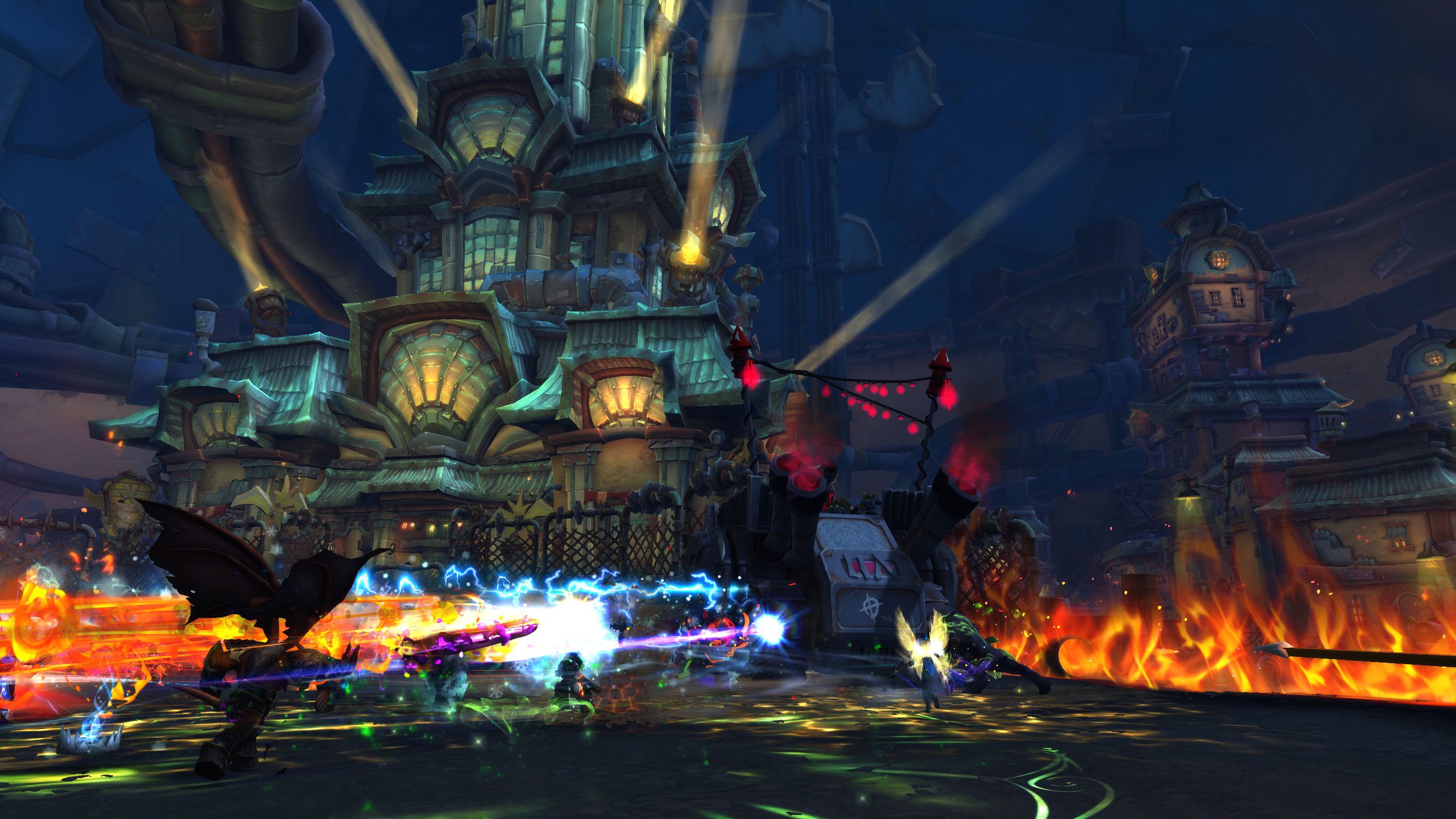
Stepping into the role of raid leader for the first time can be daunting: guiding twenty players through complex mechanics, loot allocation, and team morale requires both organizational prowess and people skills. This handbook equips aspiring leaders with the frameworks, communication strategies, and tools to plan, execute, and debrief a successful 20‑man raid night—whether you’re tackling end‑game Mythic content or classic raid tiers in Timewalking events.
Planning and Logistics
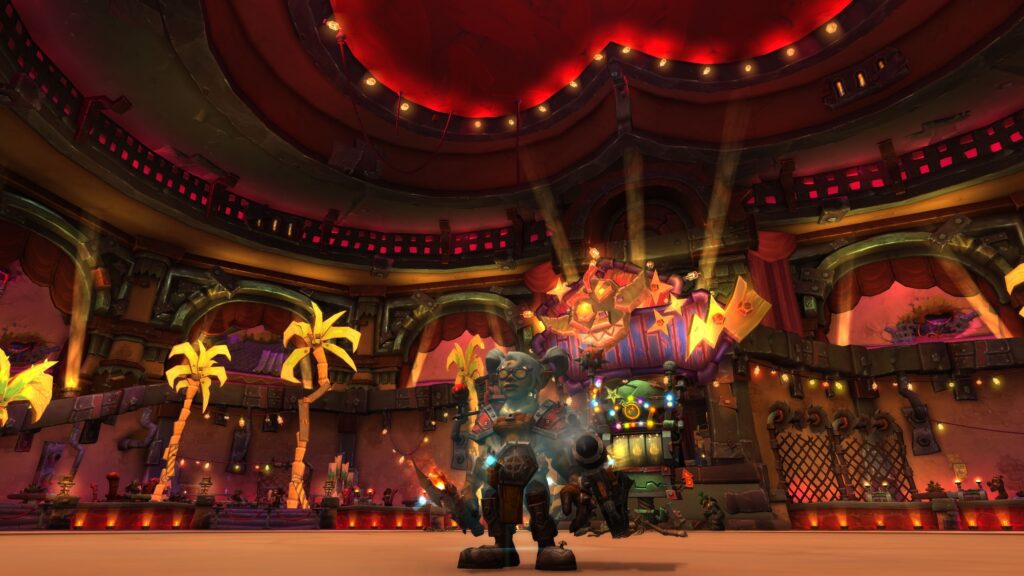
Effective raids start long before pull timers. As raid leader, you must:
- Recruit & Vet: Assemble a roster of reliable players—verify attendance history, gear level, and mechanical competency via guild logs or trial runs.
- Schedule with Precision: Set consistent days/times, accounting for time zones. Use shared calendars and automated reminders to minimize no‑shows.
- Assign Benchmarks: Distribute boss guides, assigned consumables, and gear checks at least 24 hours before—to allow preparation and strat reviews.
Having clear expectations upfront reduces confusion and wasted raid time.
In‑Raid Communication and Roles
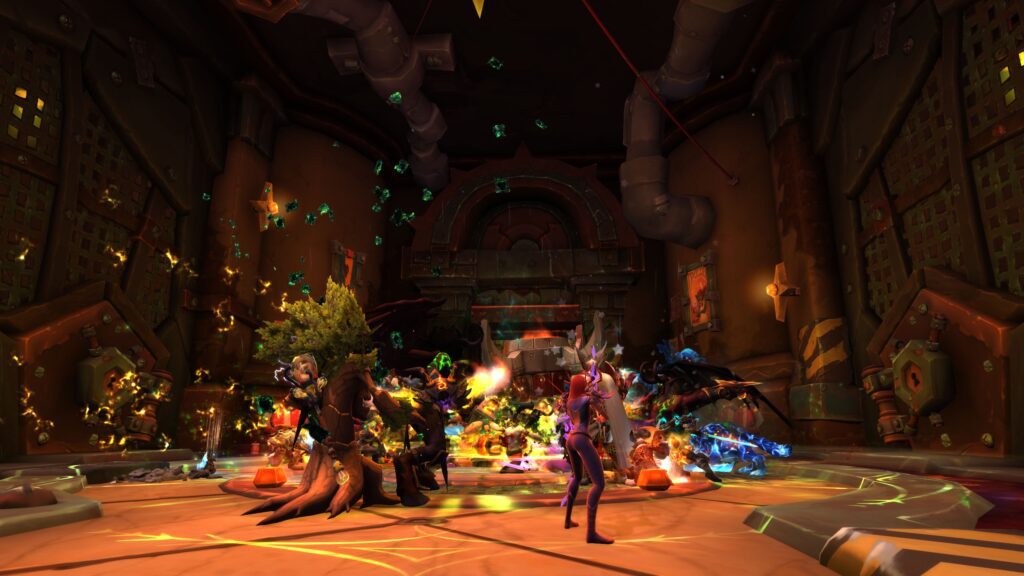
During the raid, clarity reigns supreme. Implement these practices:
- Voice Protocols: Use separate channels for tanks, healers, and DPS when possible. Main channel reserved for critical calls (“Boss up,” “Phase two now,” “Wipe call”).
- Callout Scripts: Prepare concise macro calls for each boss mechanic to standardize phrasing—e.g., “Left cleave, taunt please.”
- Role Assignment: Clearly designate main and off‑tanks, primary interruptors, raid‑wide healing supports, and focus DPS targets. Pin assignments in chat or on a shared document.
Consistent, unambiguous communication prevents panic and ensures swift reactions.
Tools for Execution and Loot Management
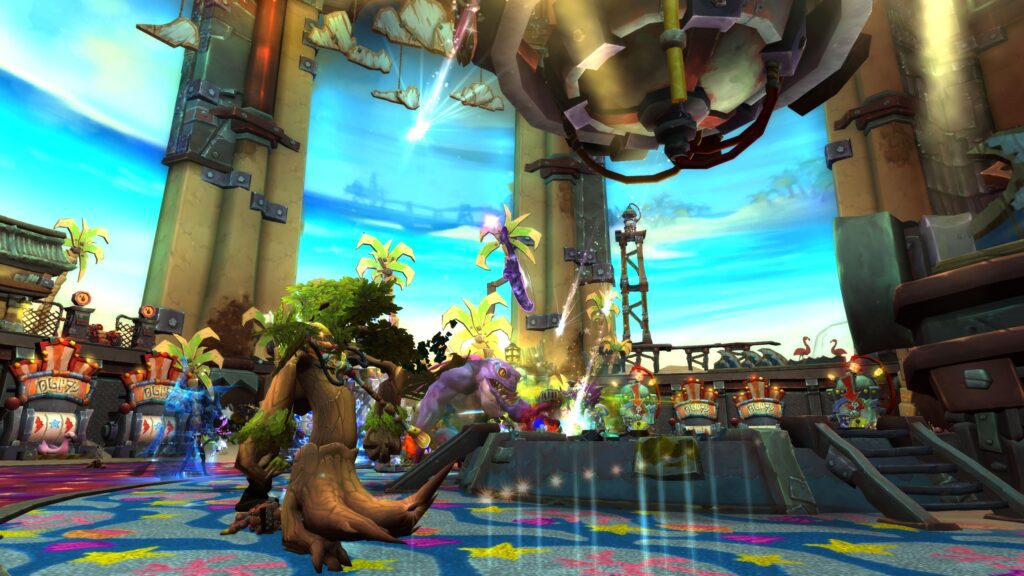
Leverage technology to streamline leadership tasks:
- Raid Bots & Planners: Use tools like RaidBots to simulate ideal DPS setups and plan gear upgrades ahead of pulls.
- Loot Council Addons: Integrate RCLootCouncil or MonolithDKP for transparent, rules‑based distribution—document wrist‑and‑ring tier priority lists.
- Log Analysis: Post‑raid, review WarcraftLogs to identify execution gaps—share annotated boss reports highlighting movement errors or DPS/heal throughput dips.
These systems free you to focus on strategy rather than manual bookkeeping.
Conclusion & Leader Skill Matrix
Leading your first 20‑man raid is a learning journey: planning, communication, and iteration are keys to building a cohesive, high‑performing team. By setting clear expectations, leveraging the right tools, and maintaining open feedback loops, you’ll foster an environment where every member knows their role and every kill feels earned.
Raid Leader Competency Matrix
| Skill | Action | Tools/Resources | Benefit |
|---|---|---|---|
| Scheduling | Use shared calendar | Google Calendar, Discord reminders | Minimizes no‑shows |
| Strategy Briefing | Distribute guides 24h prior | Guild forum, Google Docs | Prepares raiders |
| Voice Calls | Standardized macros | Discord, TeamSpeak | Reduces confusion |
| Loot Management | Implement council | RCLootCouncil addon | Ensures fairness |
Leave a Reply