
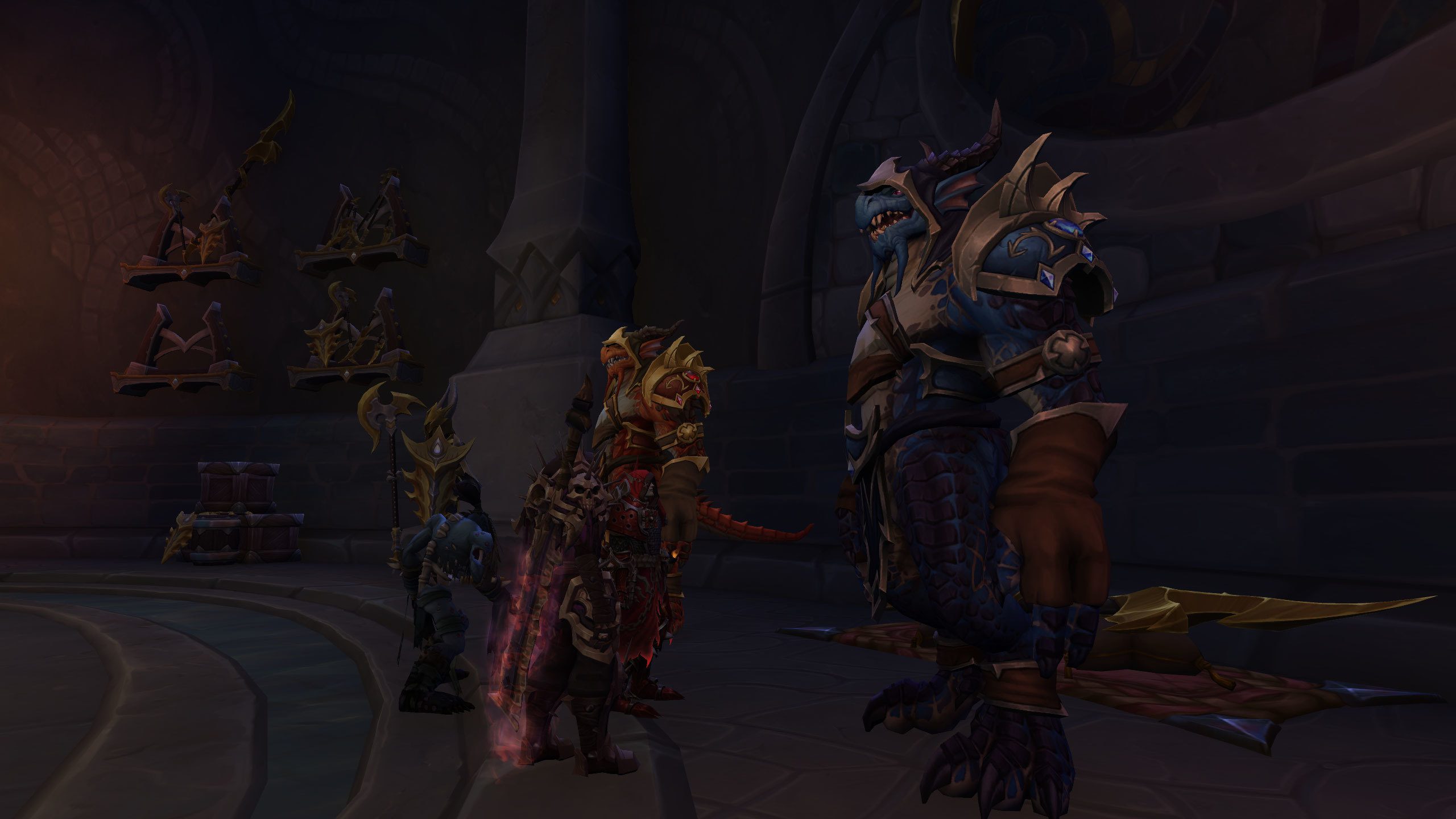

PvP combat increasingly revolves around short, tightly controlled damage windows. Sustained pressure matters less than precise timing.
Defensive cooldown trading now defines match flow, with success determined by how efficiently teams respond to burst attempts.
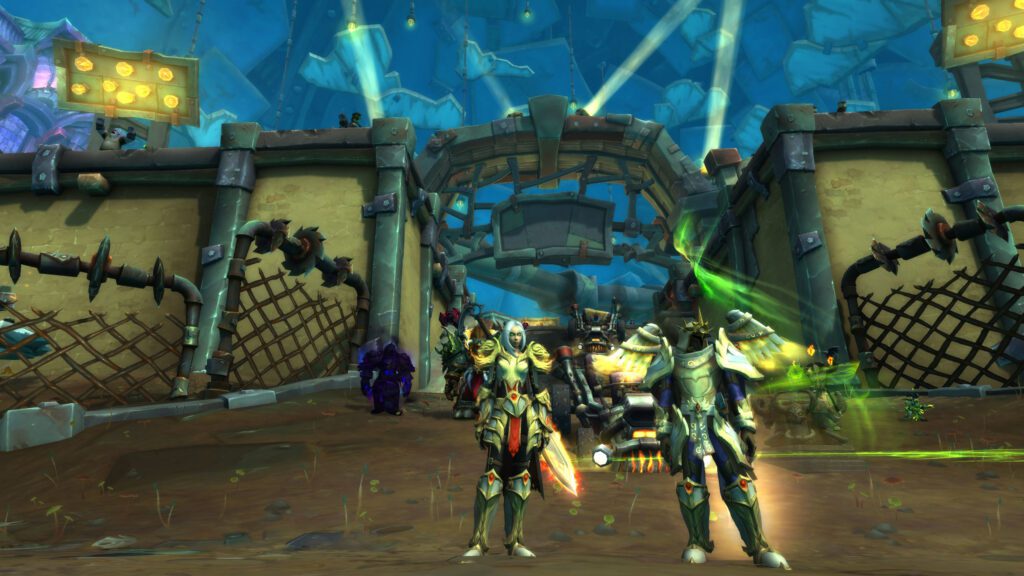
Damage Windows Are Shorter and Rarer
Modern PvP design limits extended burst opportunities. Offensive cooldowns are strong but brief, forcing teams to commit fully or disengage.
Missed windows cannot be recovered easily, shifting focus from constant aggression to moment-based execution.
Defensive Trading Shapes Momentum
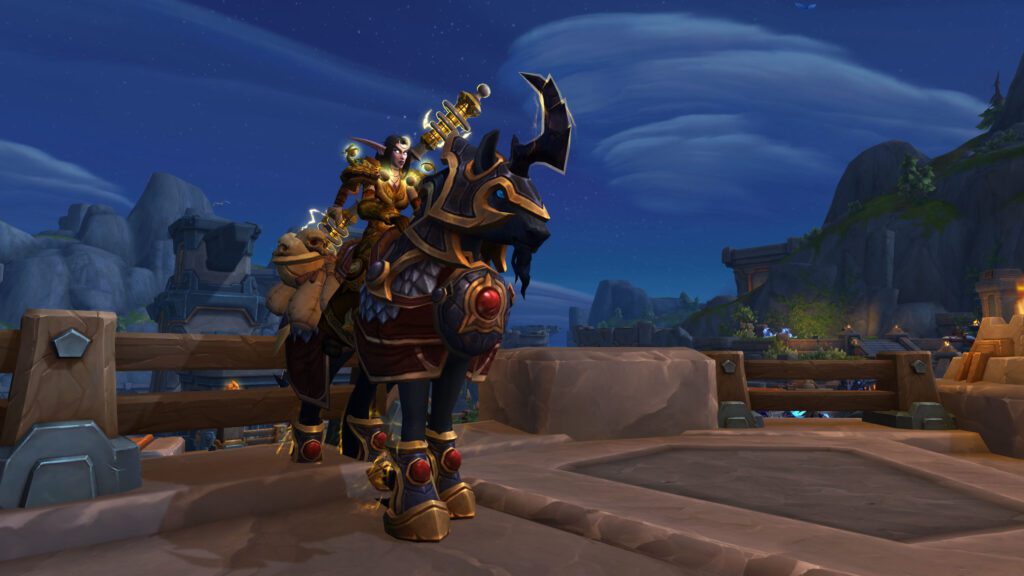
Each burst attempt triggers a defensive response. Matches are decided by which team forces more cooldowns for fewer resources.
Overlapping defensives wastes value, while delayed reactions risk instant losses.
Execution Determines Window Value
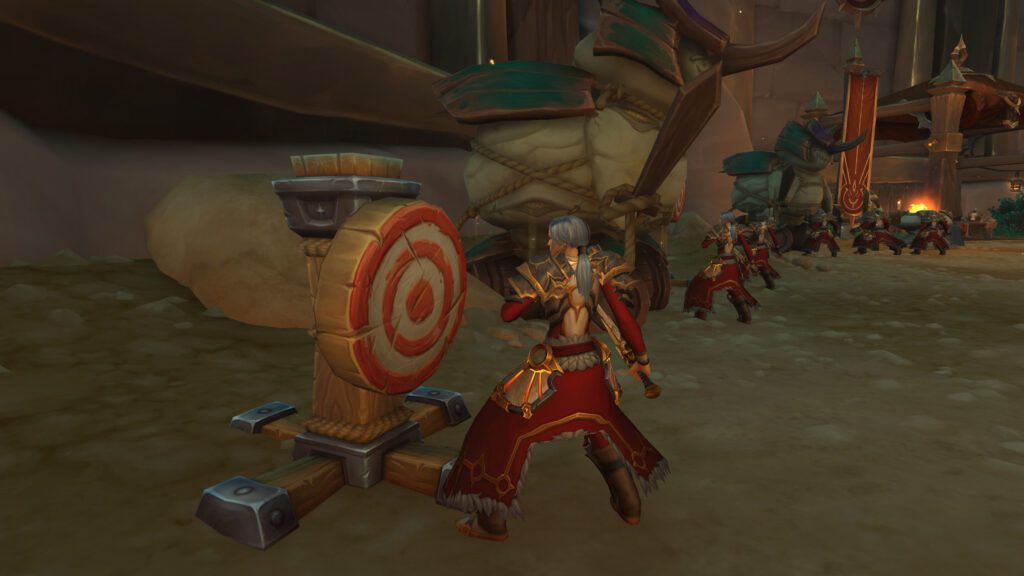
Clean setups maximize damage during narrow windows. Poor coordination results in cooldowns traded without meaningful pressure.
Teams that plan exchanges gain control over pacing and reset opportunities.
| Cooldown Exchange | Immediate Outcome | Match Impact |
|---|---|---|
| Clean trade | Minimal losses | Momentum retained |
| Overcommit defense | Resource drain | Future vulnerability |
| Late reaction | Heavy damage | Round collapse |
| Unanswered burst | Kill secured | Match swing |
Shrinking Windows Raise Skill Pressure
As margins tighten, individual reactions matter more. One mistimed button can decide an entire round.
This rewards teams that communicate clearly and track cooldowns precisely.
Conclusion
PvP damage windows shrink as defensive cooldown trading takes center stage.
Teams that manage exchanges cleanly control tempo and convert brief openings into victories.
Leave a Reply